
By Dr. Yerriswamy Pateel, Director GeoExpOre
As global demand for minerals intensifies, driven by the transition to renewable energy, electrification, and digital infrastructure, the mining industry finds itself at a critical crossroads. No longer can mineral exploration, mining, and processing operate in isolation from environmental, social, and governance (ESG) imperatives. ESG is no longer a “nice to have”; it is a business necessity.
This blog explores how ESG principles are transforming the mineral sector, the challenges companies face, and the strategic advantages for those leading in responsible mining practices.
What is ESG in Mining?
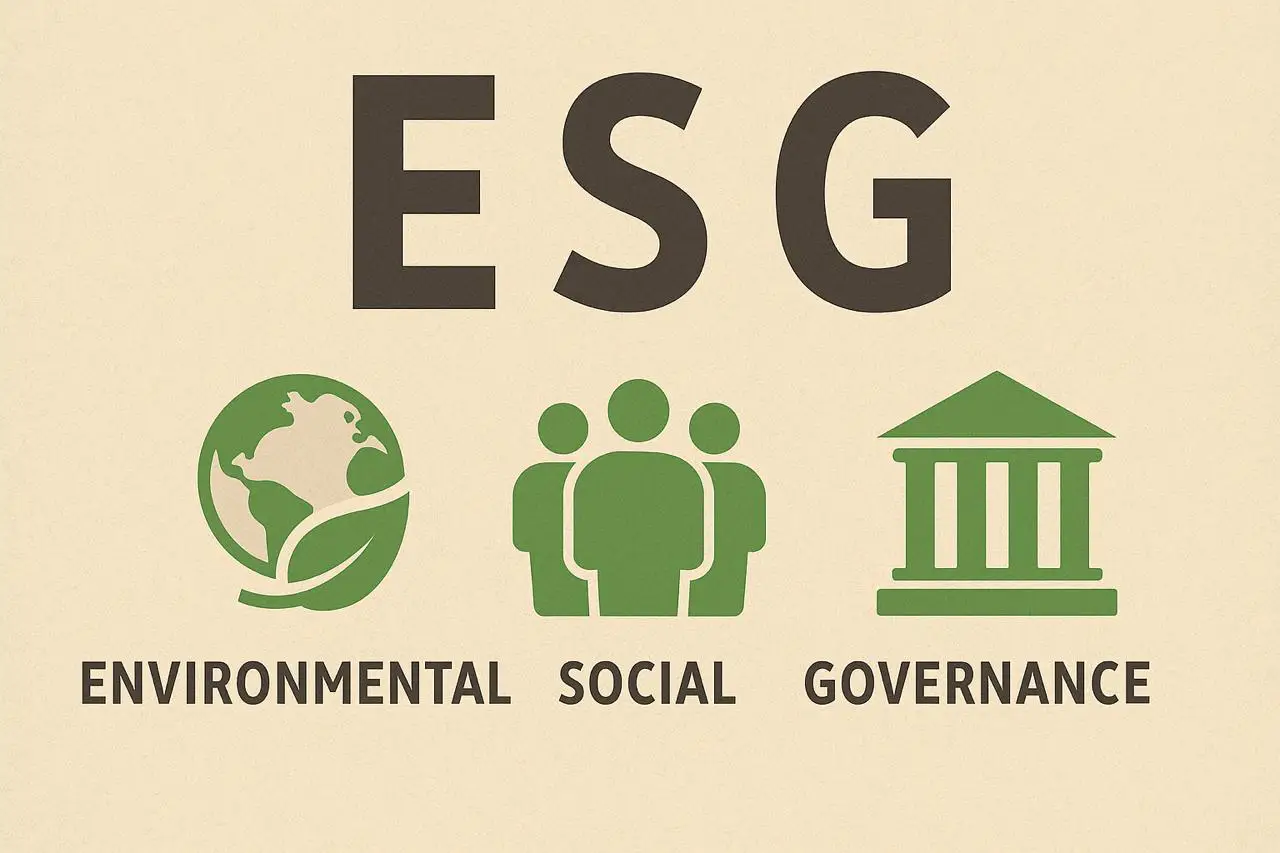
ESG refers to a set of standards measuring a company’s impact and performance in three key areas:
- Environmental (E): How operations affect air, water, land, and biodiversity.
- Social (S): How companies manage relationships with employees, communities, and indigenous groups.
- Governance (G): The ethical framework, transparency, and corporate behavior guiding decisions.
In mining, this framework helps assess how responsibly a company discovers, extracts, and processes minerals, and how well it engages stakeholders and manages risks.
Why ESG Matters in the Mineral Sector
The mineral sector is inherently high-impact. From land disturbance and water usage to tailings management and community displacement, the potential for environmental and social harm is significant. Increasingly, investors, governments, and communities are demanding accountability and sustainable practices.
Key Drivers of ESG Adoption:
- Investor Pressure: ESG funds and institutional investors favor companies with clear sustainability strategies.
- Regulatory Requirements: Governments worldwide are implementing stricter ESG-related regulations (e.g., EU’s Critical Raw Materials Act, mandatory disclosures).
- Social License to Operate (SLO): Community trust and engagement are critical to long-term project success.
- Global Goals: The mining industry plays a key role in supporting the UN Sustainable Development Goals (SDGs), particularly through supply of critical minerals.
ESG Across the Mining Value Chain
1. Exploration Stage
While the environmental footprint of early-stage exploration is relatively small, ESG considerations begin here:
- Respect for indigenous lands and cultural heritage.
- Transparent stakeholder engagement.
- Baseline environmental assessments.
- Commitment to minimal land and water disturbance.
2. Mining Operations
This is the most environmentally and socially impactful phase. Key ESG focus areas include:
- Environmental: Emissions, water usage, tailings storage, biodiversity impact, land rehabilitation.
- Social: Worker safety, local employment, community engagement, health and education support.
- Governance: Anti-corruption, ethical sourcing, transparency in reporting.
3. Mineral Processing
This stage involves high energy and chemical usage. ESG issues include:
- Energy efficiency and use of renewable energy.
- Management of hazardous materials.
- Recycling of water and process reagents.
- Supply chain responsibility and traceability.
Challenges in ESG Implementation
Despite the benefits, ESG integration in mining faces several challenges:
- Data Gaps: Lack of accurate, real-time ESG data.
- Cost Pressures: ESG programs require upfront investment that may deter junior companies.
- Fragmented Regulations: ESG standards vary widely across jurisdictions.
- Complex Supply Chains: Tracking and verifying ESG performance across contractors and suppliers is difficult.
The Competitive Advantage of ESG Leadership
Companies that proactively embrace ESG are seeing tangible benefits:
- Access to Capital: Easier access to ESG-linked financing and green bonds.
- Improved Risk Management: ESG reduces exposure to regulatory fines, protests, and project delays.
- Talent Attraction: Younger workforce values sustainability and ethics.
- Enhanced Reputation: Positive brand equity with consumers, governments, and local communities.
Tools and Frameworks for ESG in Mining
To meet stakeholder expectations, companies are adopting internationally recognized ESG frameworks and certifications:
- Global Reporting Initiative (GRI)
- SASB Standards (now part of IFRS Foundation)
- Task Force on Climate-related Financial Disclosures (TCFD)
- IRMA (Initiative for Responsible Mining Assurance)
- ICMM (International Council on Mining and Metals) Principles
The Future of ESG in Mining: Innovation and Collaboration
- Digital ESG Monitoring: AI, IoT, and blockchain technologies are improving ESG data accuracy and transparency.
- Green Technologies: Transition to electric fleets, dry tailings technologies, and green chemistry is gaining momentum.
- Collaborative Approaches: Multi-stakeholder partnerships are essential to addressing cumulative environmental and social impacts.
Conclusion
The mining industry has a pivotal role in shaping a sustainable future. Embracing ESG is not only about compliance, it’s about ensuring long-term viability, stakeholder trust, and value creation. Companies that integrate ESG into the core of their strategy will lead the next chapter of responsible mineral development.
Is your mining operation ESG-ready? Explore how your company can unlock value, reduce risks, and build resilience through strategic ESG integration